“What Do You Mean He Fell Off His Chair?” — and a Morning Drive
This morning felt calm — almost too calm for a transition day.
You both woke up without me having to say much. We had everything ready from the night before: your backpacks by the door, your clothes folded, your energy good. We loaded the car, turned on some music, and left right on time. Everything was flowing exactly as it should.

Then, halfway through the drive, you asked me to turn the music down.
And with that serious look you get when something is really on your mind, you asked:
“Pai, como assim o Salazar caiu da cadeira e morreu? Aonde? Na sala, no quarto, no escritório?”
I couldn’t help but smile — not because it was funny, but because it was such a you kind of question. Curious, specific, unexpected.
And I realized… I didn’t really know the full story myself. I’d heard what everyone hears: that António de Oliveira Salazar, the Portuguese dictator, fell from his chair and died. But I never knew how or where it happened, or even if that was the whole truth.
So, as we drove, I asked ChatGPT to tell us the story.
The version we listened to in the car talked about him sitting on a chair and falling — and, for the first time, I heard more details than the simple schoolbook phrase “caiu da cadeira”. Later, when I checked more calmly, I learned something important:
Historians don’t completely agree on the exact scene.
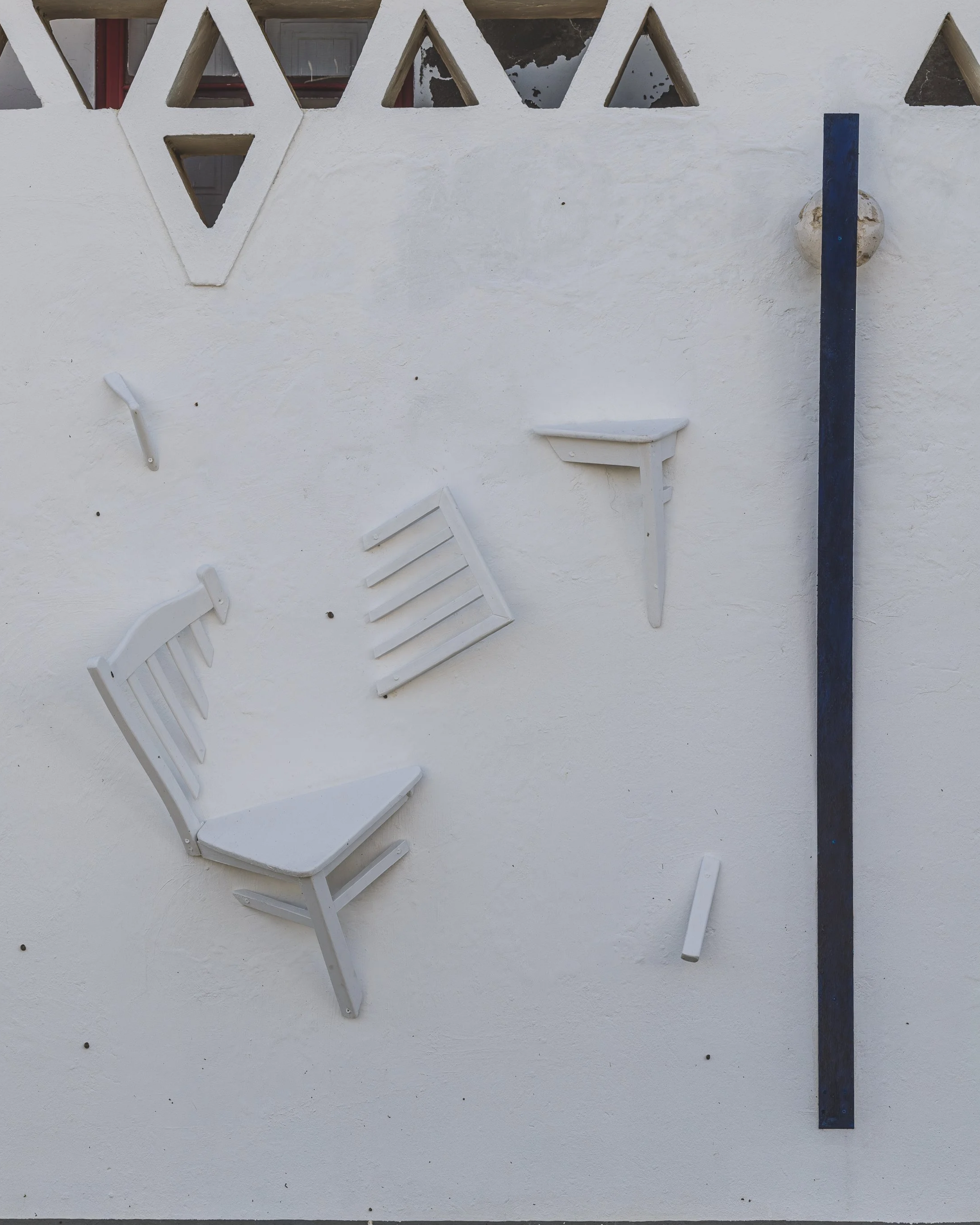
Most accounts say that in August 1968, after more than three decades ruling Portugal, Salazar was at his summer residence in Estoril, at the Fort of Santo António da Barra, near Lisbon. One day, he tried to sit on a canvas deck chair, but it collapsed (or he lost his balance), and he fell, hitting his head. That fall led to a cerebral hemorrhage — a serious injury to the brain that left him unable to govern.
Other later testimonies suggest that he might have actually fallen in the bath instead of from a chair. Nobody is 100% sure how the accident happened step by step. But everyone agrees on this:
That summer, he had a bad fall at his summer house, which caused a brain injury, and that injury effectively ended his political life.
After the hemorrhage, he was taken to the hospital and went into a coma. While he was incapacitated, the President quietly appointed another prime minister in his place. When Salazar eventually woke up and recovered some lucidity, the people around him never told him he had been removed.
For almost two years, until he died in 1970, he lived believing he was still in power, issuing “orders” that no one followed, ruling only within a room and in his imagination.
That image stayed with me — a man who spent his whole life trying to control a country, and then, at the end, lost control even of his own reality.
I told you that morning, and I’ll say it again here: yes, Salazar was a dictator, and yes, many people suffered because of his regime. But it’s also true that, in the beginning, he brought a kind of order to a country that had been lost in chaos. Portugal was struggling, and he stabilized it. That’s why some older generations remember him as the man who gave them calm after confusion, especially around the time of the Second World War, when much of Europe was at war and Portugal stayed out of it.

The problem is that he never changed.
He stayed frozen in time — believing that discipline and silence could last forever.
There’s a line from one of my favourite movies, Batman by Christopher Nolan, that says:
“You either die a hero, or live long enough to see yourself become the villain.”
That’s what happened to him.
He may have started as someone who genuinely wanted to help his country, but he became someone who couldn’t see past his own rules. That’s the danger of never questioning yourself, of believing you’re always right.
I told you both that morning that many people today hate him, and others still defend him. Some hate him because they or their families suffered directly under his control. Others defend him because they only remember the sense of order and stability he brought in his early years. Both sides are part of our history.
And that’s why understanding history is not about picking a team.
It’s about being curious enough to see the full picture.
If you ever take something from that conversation, I hope it’s this:
Don’t ever stop asking questions, even the strange ones.
Especially the strange ones.
And don’t just repeat what others say — think for yourselves.
That’s how you’ll learn not only who people were, but who you want to be.
So yes, Manuel, the story of the man who “fell from his chair and died” is partly true — but the real story is more complex, like most things in life. And maybe that’s the most important lesson of all.
— Pai