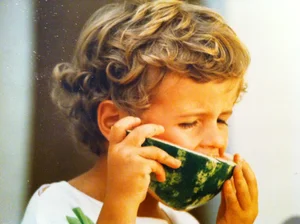
The Mornings We Learned to Race the Clock
A letter to my boys — told today
My boys,
This morning, while we were rushing through our usual choreography of backpacks and shoelaces and elevator calls, I caught myself thinking: One day, you won’t remember any of this unless I write it down.
So here I am, telling you this story now—while you’re still six and nine, while these routines are still a work in progress, and while our mornings still feel like a small adventure every single day.
But before I describe this particular morning, I need to tell you something important:
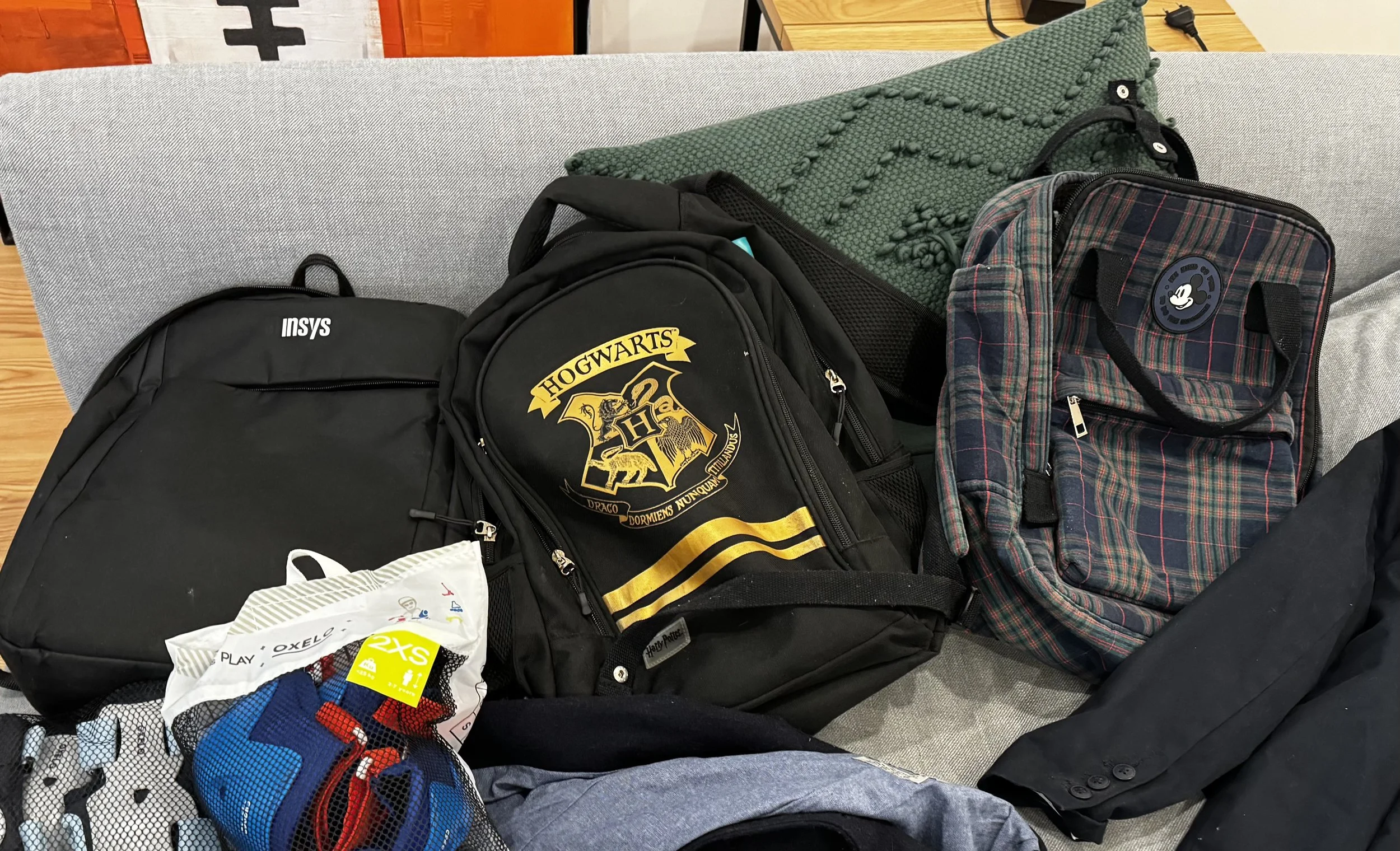
This did not happen overnight.
The routines we follow today—the beds made, the clothes set out, the quiet good mornings, the elevator choreography—were built through months and months of trial and error.
We learned by failing.
By being late.
By losing track of the time.
By discovering that socks have a supernatural instinct for disappearing at the worst possible moment.
We experimented, adjusted, improvised, argued, laughed, and tried again.
Everything we do now—the timing, the flow, the teamwork—exists because we stumbled our way into it, together.
6:00 AM — The Battle with the Pillow
Our days start the same way every morning:
With the alarm at 6:00, slicing through the darkness and demanding that I become a functional adult before I’m ready.
Five more minutes.
Just five.
My pillow always whispers, “Manuel… don’t be dramatic. Stay.”
But then the drill sergeant in my head interrupts:
“You snooze, you lose!”
So I get up. Cold shower. Three minutes.
Teeth brushed.
Deodorant.
100 push-ups and another set of exercises to wake up the body I keep pretending hasn’t aged a day since my twenties.
Clothes and gym bag ready from the night before.
Future-me always grateful to past-me.
Then I walk into your room.
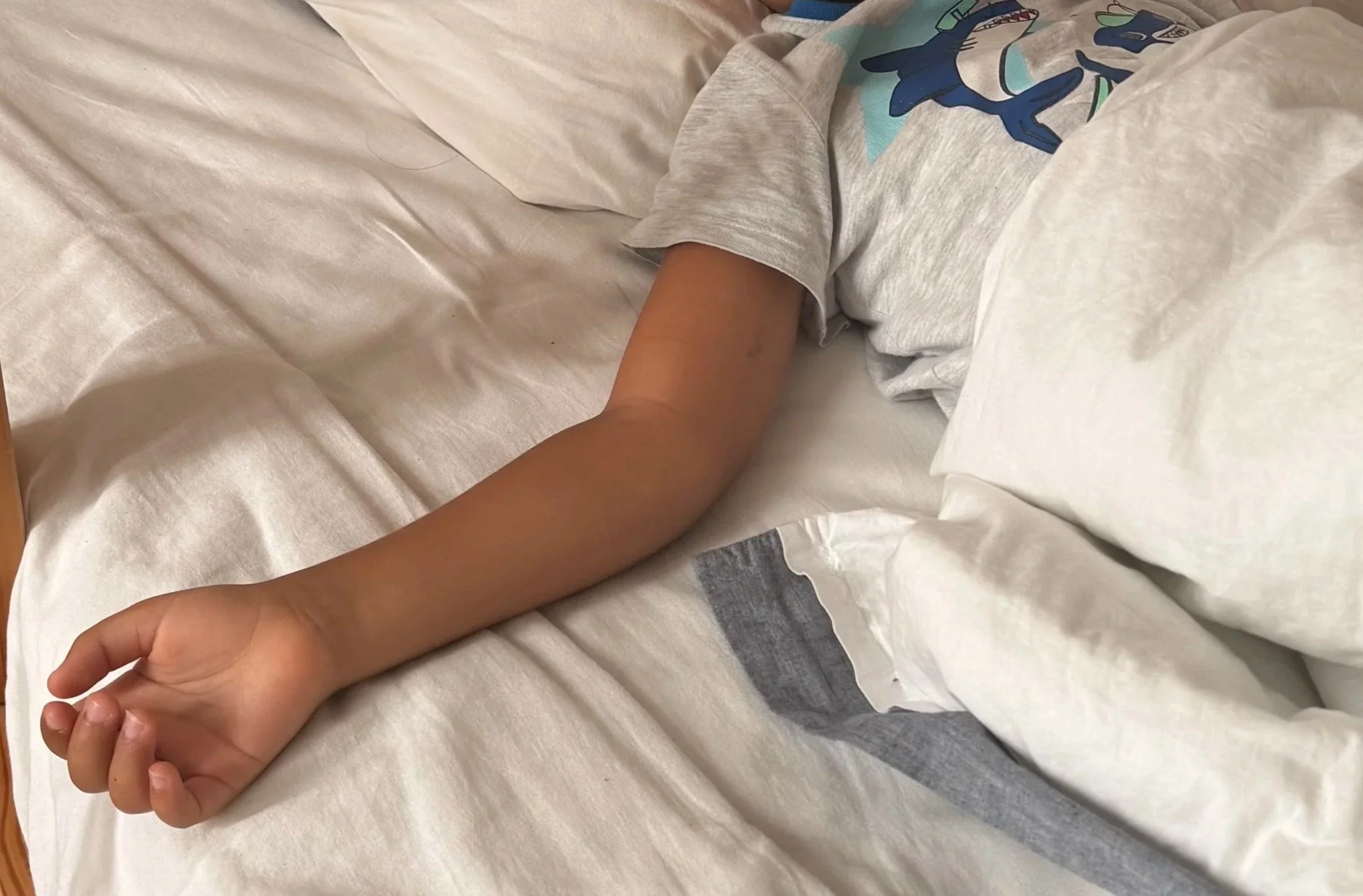
Waking You
You’re always warm, curled into your blankets like two small suns refusing to rise.
I remember my own pillow negotiations, and so, what I don’t allow myself… I allow you:
five more minutes.
Lights on slowly—hallway first, then bedroom.
A soft “bom dia.”
A stretch, a groan, a blink.
A gentle start before the storm.
You Two and the Routines We Built Together
This is the part that makes me proud.
After months of repetition, reminders, frustrations, and small victories, your routines now almost run themselves.
You wake up, walk over for your good morning hugs—Manuel quietly, Ico with a full-body tackle that nearly knocks me over every time—and then you slip into your tasks:
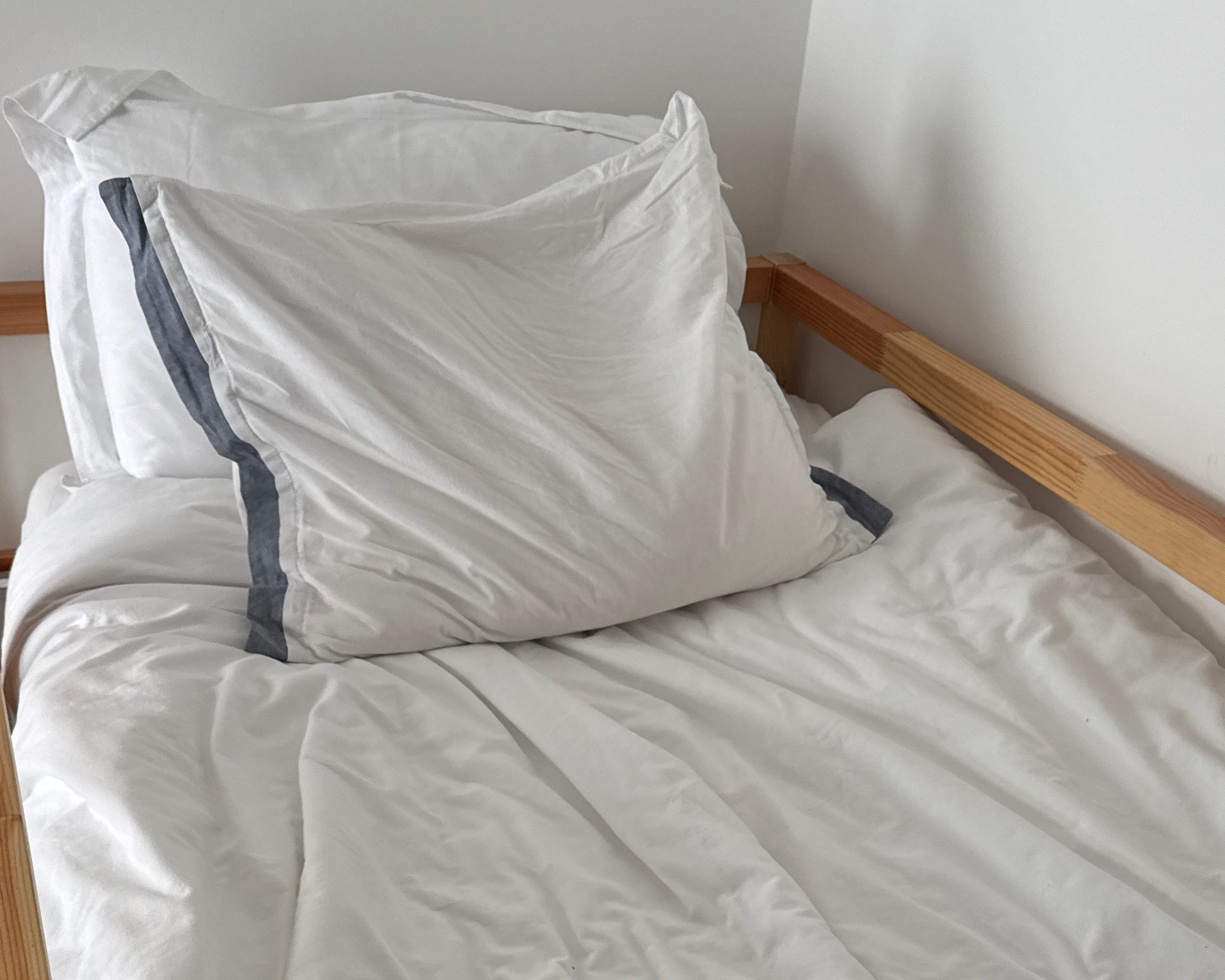
Beds made.
Teeth brushed.
Clothes put on (prepared the night before because fate loves a wardrobe crisis).
Lunch bags placed on the kitchen counter.
Backpacks waiting ready at the door.
Meanwhile, I’m in the kitchen preparing breakfast and coffee.
And above everything hangs our living-room clock—the dictator of our mornings.
I point to the big hand creeping toward the six and say:
“We leave when it gets here. Don’t let it beat us.”
Sometimes you say it before I do:
“Pai, está quase no seis…”
That’s when I know the lesson is working.
The Daily Frantic Finale
By 8:10 or 8:15, the peaceful rhythm shifts into fast-forward.
Last-minute bathroom runs.
Shoes that sabotage us.
Socks that reappear only when they’re no longer needed.
Me pretending to stay calm while failing spectacularly.
Then comes our sacred morning choreography:
“Manuel, call the elevator.”
“Ico, go downstairs and open it.”
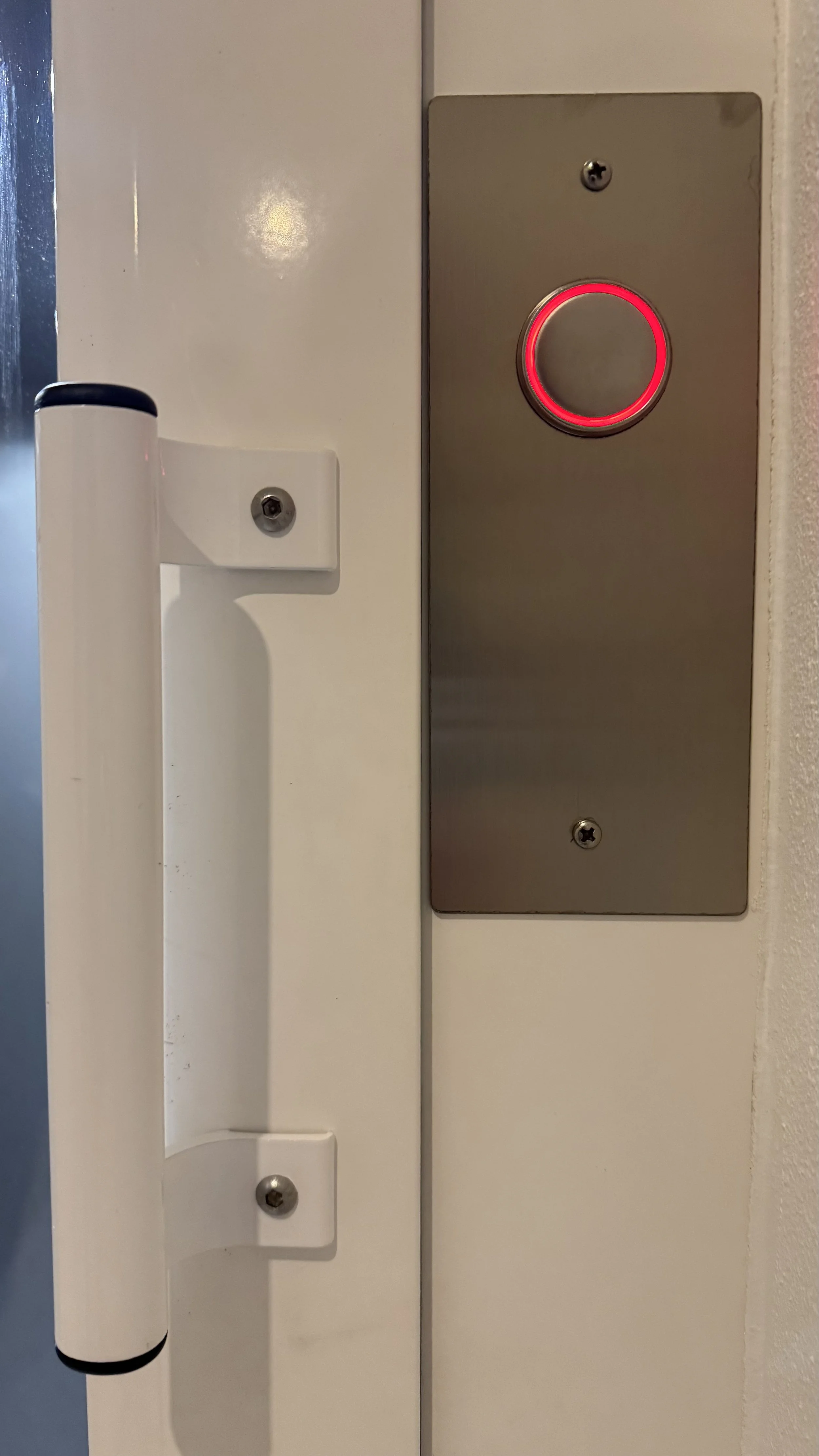
Cart inside.
Elevator down.
Door locked.
Ico waiting at the bottom.
Manuel holding the building door.
Out by 8:30.
In the car by 8:31.
Driving by 8:34.
Some days, that alone feels like a victory worth celebrating.
The Drive — Where the Lessons Sneak In
Every drive to Comporta becomes its own little world.
Sometimes you play the “car brand counting game”—each of you picking a favourite brand and celebrating whenever one drives by.
Whoever spots the most wins.
But today, between a BMW sighting and a Tesla overtake, you suddenly asked:
“Pai, What is a physicist?”
Not “físico.”
Not the translated version.
The word Sheldon Cooper uses.
So I explained:
“A physicist is someone who studies how everything works—everything we see, and everything we don’t see but still feel.”
You thought for a moment and asked:
“So that’s why Sheldon is good at math?”
“Yes,” I told you, “but you don’t need to be Sheldon. You just need to be comfortable with math because it’s a universal language. It gives you freedom.”
Portuguese gives you clarity.
English gives you reach.
Math gives you a way to understand the structure of the world.
And then I looked at you, Manuel, remembering your fascination with The Last Samurai.
How the quiet discipline and repeated routines fascinated you more than the battles.
That’s the truth of discipline:
Routines aren’t punishment.
Their structure.
They’re clarity.
They’re freedom.
Even our school mornings teach this.
Arriving at School
We arrived on time.
I opened the trunk.
Handed you your backpacks and lunch bags.
Hugs.
Kisses.
You two walking confidently toward the school entrance.
And then—perfect timing—your teacher appeared behind you just as I shouted:
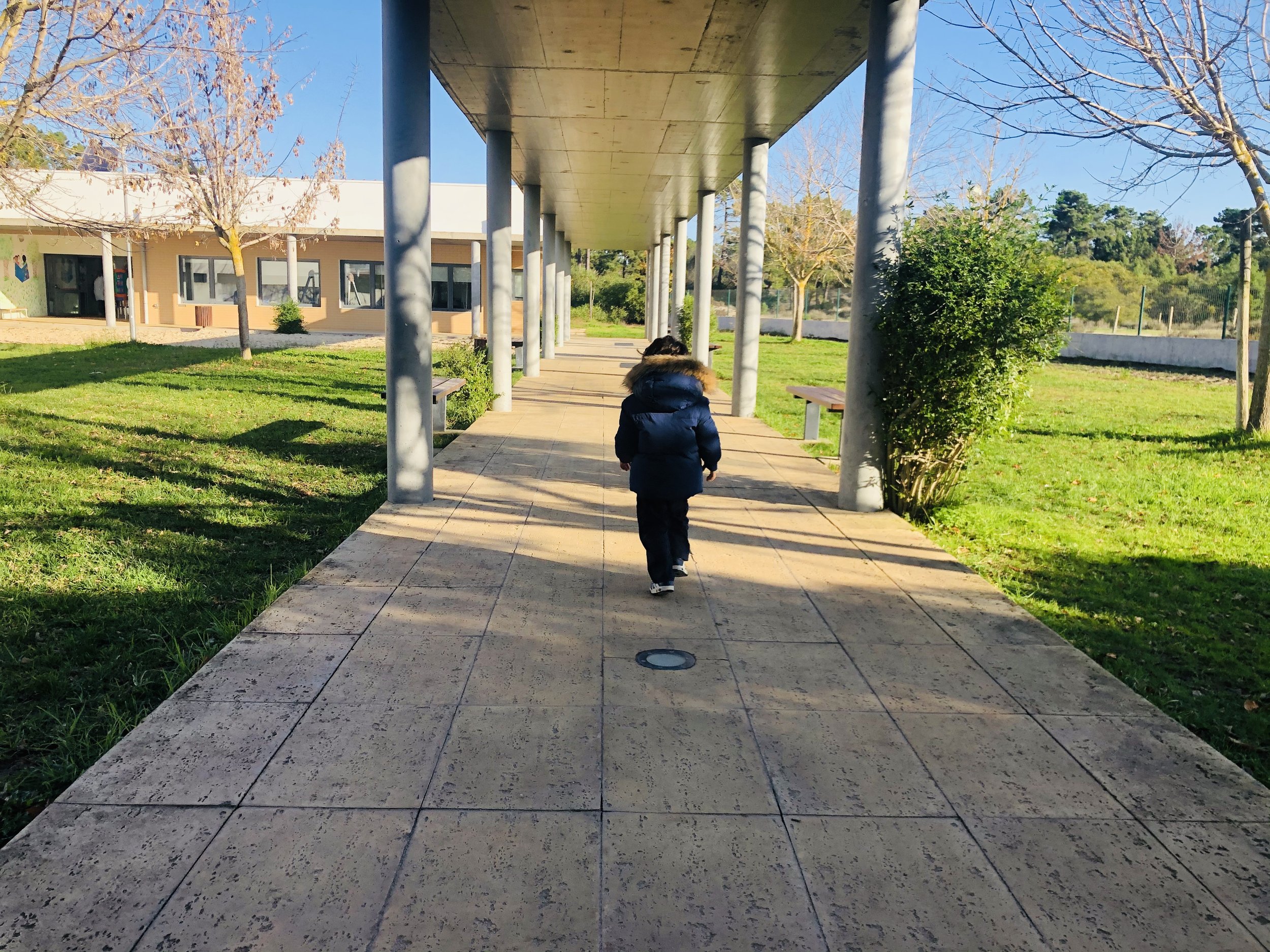
“It's the last time they come in before the teacher!”
She burst out laughing.
You laughed.
I laughed.
A private joke built on all the messy, imperfect mornings that came before.
And my boys…
When you look back on these routines one day, I hope you see more than the rush and the alarms and the eternal countdown to 8:30.
I hope you see:
The tenderness in those five extra minutes of sleep.
The discipline behind the clothes laid out the night before.
The teamwork in our elevator ballet.
The curiosity in your questions.
The courage in your attempts.
The love stitched into every ordinary step.
Because this is the truth I learned in those early years with you:
The small routines we repeat become the people we become.
And the mornings we think are ordinary are often the ones that shape us the most.
I left the school that morning smiling, listening to my podcasts on the drive back to my studio, grateful for the two boys who taught me that even in the chaos of daily life, there is joy, purpose, and beauty.
My boys,
I am proud of the little men you were becoming—even then.
And I’m even prouder of the men you will one day become.
Pai